If your outlet sparks when you plug something in, it may be a quick, harmless spark caused by the connection between the plug and the outlet. But if the spark is large, loud, frequent, yellow or white, or comes with a burning smell, heat, buzzing, scorch marks, or a tripped breaker, it could be a warning sign of a serious electrical problem.
A sparking outlet can point to loose wiring, worn-out outlet parts, moisture, arcing, a short circuit, or another issue inside your home’s electrical system. If you live in Tampa, Brandon, Dade City, Ellenton, or the surrounding area and your outlet keeps sparking, Brandon Electric can inspect the problem and make the needed repair safely through professional residential electrical repair services.
Table of Contents
An outlet sparks because electricity is trying to complete a connection between the outlet and the plug. When you push a plug into an outlet, the metal prongs make contact with the electrical current inside the receptacle. In some cases, that contact can create a small, quick spark.
A small blue spark that happens only once in a while may not always mean something is wrong. However, frequent sparking is different. If the outlet sparks every time you plug something in, or if the spark is large, bright, noisy, or followed by another electrical symptom, the outlet should be inspected.
Sparking may happen because of loose internal connections, worn-out outlet contacts, damaged wiring, moisture inside or near the outlet, a short circuit, an overloaded circuit, or even a faulty appliance or plug. If the same appliance sparks in multiple outlets, the appliance or cord may be the issue. If several devices spark in the same outlet, the outlet itself may need repair or replacement.
Sometimes, a very small spark can happen when plugging in an appliance, especially if the appliance is already turned on or draws power immediately. This type of spark is usually quick, small, and blue. If it happens rarely and there is no burning smell, heat, tripped breaker, buzzing sound, discoloration, or loose plug connection, it may not always indicate a major electrical problem.
However, an outlet spark should not be ignored if it happens often. A spark is more concerning when it is large, bright, yellow, orange, or white, or when it happens every time you use the outlet. It is also a warning sign if you hear popping, buzzing, or crackling, notice that the outlet feels warm, smell burning plastic, see black marks around the outlet, or have a breaker trip after plugging something in.
If any of those warning signs are present, stop using the outlet and schedule an electrical diagnosis with a licensed electrician.
A sparking outlet can be dangerous when it points to arcing, loose wiring, damaged wiring, moisture exposure, or a short circuit. These issues can increase the risk of electrical shock, appliance damage, or electrical fire.
The biggest concern is arcing. Electrical arcing happens when electricity jumps across a gap instead of flowing through a secure connection. This can create heat, burn outlet components, damage surrounding wiring, and create a fire hazard if the issue is not repaired.
A sparking outlet is especially concerning if it is located near furniture, curtains, carpet, bedding, wood trim, paper, or other flammable materials. It is also more serious when the outlet is in a kitchen, bathroom, laundry room, garage, outdoor area, or anywhere moisture may be present.
If the outlet is near water or shows signs of heat damage, it should not be used until an electrician checks it. In some cases, the issue may be isolated to the outlet. In others, it may be connected to a larger wiring, breaker, or panel concern that requires broader residential electric repair.
The causes behind sparking outlets are numerous, but in most cases, the answer to “Why does my outlet spark?” will come down to one of the following:
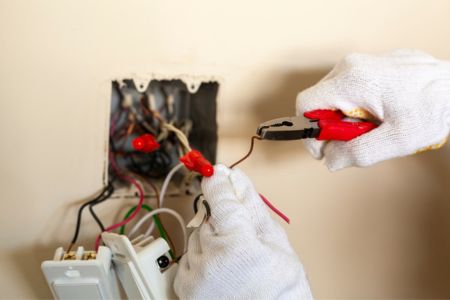 Loose wiring is one of the most common reasons an outlet sparks. Over time, wires can shift, loosen, or lose a secure connection behind the outlet plate. When the connection is not tight, electricity may arc between contact points, creating a visible spark when you plug something in.
Loose wiring may also cause intermittent power, nearby flickering lights, buzzing from the outlet, scorch marks, or a warm outlet cover. Because the issue is behind the outlet, it is not something that should be guessed at or handled casually. Brandon Electric’s electrical diagnosis services can help identify whether the problem is isolated to the outlet or connected to a larger electrical issue.
Outlets wear down over time. When the internal contacts become weak, the plug may no longer fit securely. A loose plug can create an unstable electrical connection, which may lead to sparking, heat, or intermittent power.
You may need an outlet replacement if plugs feel loose, devices lose power when moved, the outlet looks old or discolored, the faceplate is cracked, or the outlet no longer grips plugs tightly. In older homes or heavily used rooms, outlet problems may also be related to aging wiring, which can be addressed through professional wiring and rewiring services.
A short circuit can happen when electricity travels along an unintended path. This may occur when a hot wire touches a neutral wire, a damaged wire, or another conductive material. When that happens, the outlet may spark suddenly, the breaker may trip, or the area may lose power.
A short circuit may also create a popping sound, a burning smell, or black marks around the outlet. If the breaker trips after an outlet sparks, do not keep resetting it without finding the cause. A breaker that keeps tripping may need inspection through Brandon Electric’s breaker replacement service to determine whether the issue is the breaker, outlet, circuit, or wiring.
Water and electricity are a dangerous combination. If moisture gets into an outlet, it can cause sparking, shorting, or shock hazards. This is more common in kitchens, bathrooms, laundry rooms, garages, outdoor areas, patios, or rooms with leaks near windows, plumbing lines, or walls.
If an outlet sparks after water exposure, do not use it. Turn off the power to that area if it is safe to do so and contact an electrician. Moisture-related outlet problems should always be treated carefully because they can create both shock and fire risks.
An overloaded circuit can happen when too many devices draw power from the same circuit. This is common when multiple high-demand appliances, extension cords, or power strips are used in one area. When the circuit is under too much demand, the outlet may spark, the breaker may trip, the lights may dim, the cords may feel warm, or the devices may shut off unexpectedly.
If you need more power in a room, the safer solution may be a new dedicated circuit or professionally installed outlet instead of relying on extension cords. An electrician can determine whether the issue is the outlet itself, the circuit, or the overall electrical load in that part of the home. For larger electrical capacity concerns, an electrical panel upgrade may also be worth evaluating.
Sometimes the outlet is not the problem. A damaged cord, bent plug prong, or failing appliance can create sparks when plugged in. If one specific device causes a spark in multiple outlets, the appliance or cord may need repair or replacement.
You should stop using any appliance with frayed wiring, bent prongs, loose plug parts, or a cord that feels warm during use. Even if the outlet appears fine, a damaged appliance can still create a hazard.
Modern electrical safety devices help reduce shock and arcing risks. GFCI outlets help protect against ground faults, especially in wet areas. AFCI protection helps detect dangerous arcing conditions that may happen when wiring or connections are damaged.
If your home has older outlets or limited protection, an electrician can inspect whether upgrades are needed. This is especially important in bathrooms, kitchens, garages, laundry rooms, outdoor areas, bedrooms, and renovated spaces where modern safety protection may be required or strongly recommended. If you are already planning updates, a broader maintenance and safety inspection can help identify unsafe outlets, outdated wiring, overloaded circuits, or other concerns before they become bigger problems.
If your outlet sparks, stop using it and pay attention to what happened. A tiny blue spark that happens once may be less concerning, but repeated sparking, heat, smoke, burning smells, buzzing, crackling, or tripped breakers are signs that the outlet should not be used again until it is inspected.
If you notice heat, smoke, or a burning odor, turn off the power to that circuit if you can do so safely. Do not remove the outlet cover, touch wiring, or keep plugging devices in to “test” whether the spark happens again. Repeatedly testing a damaged outlet can make the issue worse and increase the risk of electrical fire or shock.
The safest next step is to call a licensed electrician. A professional can test the outlet, wiring, breaker, and circuit to find the actual cause instead of only replacing visible parts. If the issue is urgent or happening after hours, Brandon Electric also provides 24-hour electrical repair in Tampa, FL, for serious residential electrical problems.
A sparking outlet repair may involve a simple outlet replacement, but the cause has to be diagnosed first. An electrician may need to check the outlet, wiring, circuit load, breaker, and nearby electrical components to determine whether the issue is isolated or part of a larger problem.
Depending on the cause, the repair may involve replacing the outlet, tightening loose electrical connections, repairing damaged wiring, installing a GFCI outlet, adding AFCI protection where needed, replacing a damaged breaker, correcting an overloaded circuit, or installing a dedicated circuit.
If the issue is part of a larger electrical problem, Brandon Electric can inspect related systems and recommend the safest repair. For older homes, repeated outlet problems may also point to the need for updated wiring and rewiring or related electrical improvements.
You should not replace a sparking outlet yourself unless you are properly trained and qualified to perform electrical work. Outlet replacement may look simple, but sparking can be a symptom of a bigger issue behind the wall or inside the electrical panel.
DIY outlet work can create risks such as shock, fire, improper wiring, code violations, loose connections, damage to appliances, and hidden electrical hazards. For safety, a sparking outlet should be inspected by a professional, especially if it happens more than once or comes with any warning signs.
If you are unsure whether the issue is limited to one outlet or part of a bigger electrical concern, Brandon Electric’s electrical diagnosis service can help identify the source of the problem and determine the safest next step.
If your outlet sparks when you plug something in, do not ignore it. A quick spark may seem minor, but repeated sparking can point to loose wiring, worn-out outlets, moisture, arcing, or a circuit issue that needs attention.
Brandon Electric helps homeowners in Tampa, Brandon, Dade City, Ellenton, and nearby communities diagnose and repair electrical issues safely. Whether you need outlet repair, wiring repair, breaker troubleshooting, a maintenance and safety inspection, or a full electrical diagnosis, our team can help find the cause and recommend the right fix.
Contact Brandon Electric today to schedule service for a sparking outlet or electrical safety concern.